
This company has no active jobs

Portable Ramp Wheelchair
The 10 Most Scariest Things About Folding Wheelchair Ramp
The Comprehensive Guide to Folding Wheelchair Ramps
In an increasingly inclusive society, accessibility is of critical significance. For people who depend on wheelchairs, having appropriate access points around homes, offices, and public spaces is vital. One essential tool that adds to this accessibility is the folding wheelchair ramp. These ramps supply a Portable Ramp Wheelchair and space-saving service for overcoming barriers such as steps, curbs, and raised platforms. This blog site post will look into the types, features, advantages, and important factors to consider when acquiring a folding wheelchair ramp.
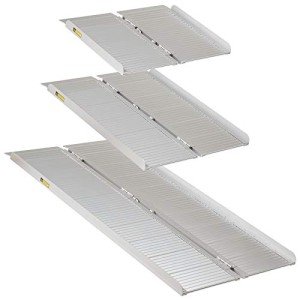
What is a Folding Wheelchair Ramp?
A folding wheelchair ramp is a temporary or permanent structure developed to permit people with mobility obstacles to browse changes in elevation, such as stairs and curbs. These ramps are constructed to support the weight of both the wheelchair and the occupant, with numerous models efficient in folding for easy storage and transportation. The portability of these ramps makes them particularly important for users who regularly take a trip or require ease of access options at various places.
Types of Folding Wheelchair Ramps
Folding wheelchair ramps can be found in numerous designs and materials, each fit for particular requirements. Here is a table describing the most typical kinds of folding wheelchair ramps offered in the market:
TypeBest ForKey FeaturesSuitcase RampsTaking a tripLight, portable; folds in half; simple to carryTelescoping RampsVersatile useAdjustable length; extends and collapses easilyThreshold RampsLow-profile requirementsShort height; ideal for entrances and curbsAluminum Wheelchair Ramp RampsDurable applicationsLightweight and rust-resistant; can support much heavier loadsRubber RampsTemporary solutionsMade from long lasting rubber; suitable for indoor/outdoor useBenefits of Folding Wheelchair Ramps
Folding wheelchair ramps offer various advantages, including:
- Portability: Easily portable, enabling users to carry them when traveling or checking out different locations.
- Space-saving: The ability to fold methods they use up minimal storage area when not in use.
- Adaptability: Suitable for a large range of usages, from home to public centers, and versatile to various heights and widths.
- Alleviate of Use: Most designs can be established rapidly without needing additional tools or support.
- Affordable: Typically more affordable than completely installed ramps, making them available for numerous people and organizations.
Factors to Consider When Choosing a Folding Wheelchair Ramp
Finding the best folding wheelchair ramp includes comprehending the specific requirements of the user as well as the intended use of the ramp. Here are some vital considerations:
Weight Capacity: Ensure that the ramp can support the weight of both the user and the wheelchair. Standard folding ramps can handle in between 300 to 800 pounds.
Length and Angle: A longer ramp offers a gentler slope, making it much easier to browse. As a rule of thumb, the ADA suggests a slope ratio of 1:12 (1 inch of increase for every 12 inches of ramp run).
Material: Materials can vary from lightweight aluminum to sturdy steel. Consider the toughness and upkeep requirements of each material.
Kind Of Mobility Device: Ensure the ramp is appropriate for the particular wheelchair or mobility gadget. Some ramps are created specifically for power chairs while others are more suited for manual wheelchairs.
Location of Use: Consider where the ramp will primarily be used. Indoor ramps may have different product and size needs compared to outdoor Ramps For Mobility Scooters.
Frequently Asked Questions about Folding Wheelchair Ramps
Q1: How do I figure out the correct length of a wheelchair ramp?A1: Measure the height from the ground to the surface the wheelchair requires to reach. Utilize the recommended slope ratio (1:12) to compute the required length. For example, for a rise of 24 inches, you would need a ramp that is at least 24 feet long.
Q2: Can folding wheelchair ramps be utilized outdoors?A2: Yes, numerous
folding wheelchair ramps are designed particularly for outside use, including weather-resistant products. It is vital to inspect the producer's specs concerning outside viability.
Q3: How do I store a folding wheelchair ramp?A3: Most
folding ramps can be saved vertically or horizontally. Guarantee they are clean and dry before storage to prevent wear or damage.
Q4: Is there a choice to tailor folding wheelchair ramps?A4: Some producers provide modification choices, including particular lengths, weight capabilities, and additional functions like hand rails. It's crucial to clarify your requirements with the provider. Q5: What are the maintenance requirements for folding wheelchair ramps?A5: Regular inspections for wear and tear, especially for hinges and surface area materials, are very important. Clean the ramp regularly and ensure that it is dry to avoid slipperiness. Best Practices for Using Folding Wheelchair Ramps Always Inspect the Ramp: Before usage, examine the ramp for any damage or particles that could cause a threat. Use Assistance When Necessary: If the ramp
is steep or the load is heavy, consider having somebody assist in browsing the ramp. Position
Securely: Verify that the ramp isstable and protected at both ends before use to prevent slips or collapses. Know Your Strengths: Users ought to know
of their physical constraints and should not attempt to utilize a ramp if they doubt about their ability to safely do so. Feedback Mechanism: Install feedback mechanisms or signs that remind users of proper ramp usage practices. Folding wheelchair ramps are an invaluable resource for individuals with mobility challenges, supplying a versatile solution for navigating daily obstacles. With a variety of types, products, and lengths readily available, discovering the best ramp requires careful factor to consider of the user's
requirements and environment. By equipping themselves with the right information and making sure adherence to best practices, users can significantly improve their mobility and independence. Through the thoughtful incorporation of folding Disabled Ramps, we can pave the method toward a more available future for everybody.


